Industries lighting

Efficient, durable, and safe lighting solutions for industrial environments, prioritizing workplace safety and efficiency.

Successful case display

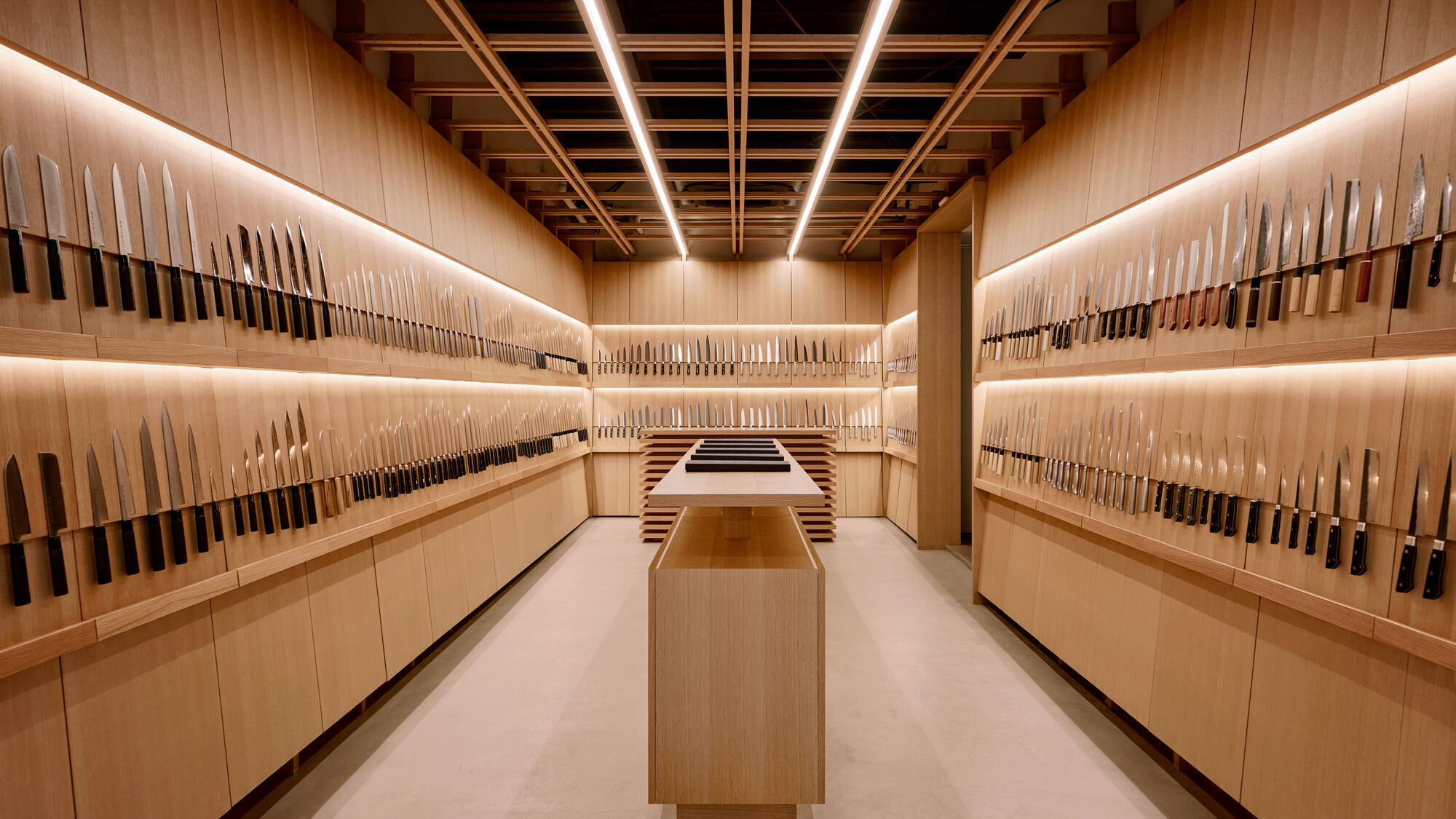
Tojiro Co., Ltd., a renowned knife manufacturer from Tsubame City in Niigata Prefecture, originates from one of Japan’s three major cutlery and tableware production centers, Sanjo and Tsubame. In March 2024, Tojiro opened its first direct store in the Kansai region.
Osaka, Japan’s second-largest city, serves as the economic hub of the Kansai area and is world-famous for its rich culinary culture. By opening a direct store in this food capital, Tojiro clearly aims to promote its high-quality knives to more consumers who value the art of cooking. Yoshihito Katata, principal of KATATA YOSHIHITO DESIGN, fully understood the vision of Tojiro’s president, Susumu Fujita. Skillfully blending traditional Japanese craftsmanship with modern design concepts, Katata created a unique space that not only showcases the exceptional quality of Tojiro knives but also allows customers to deeply experience the culture of Japanese cutlery.

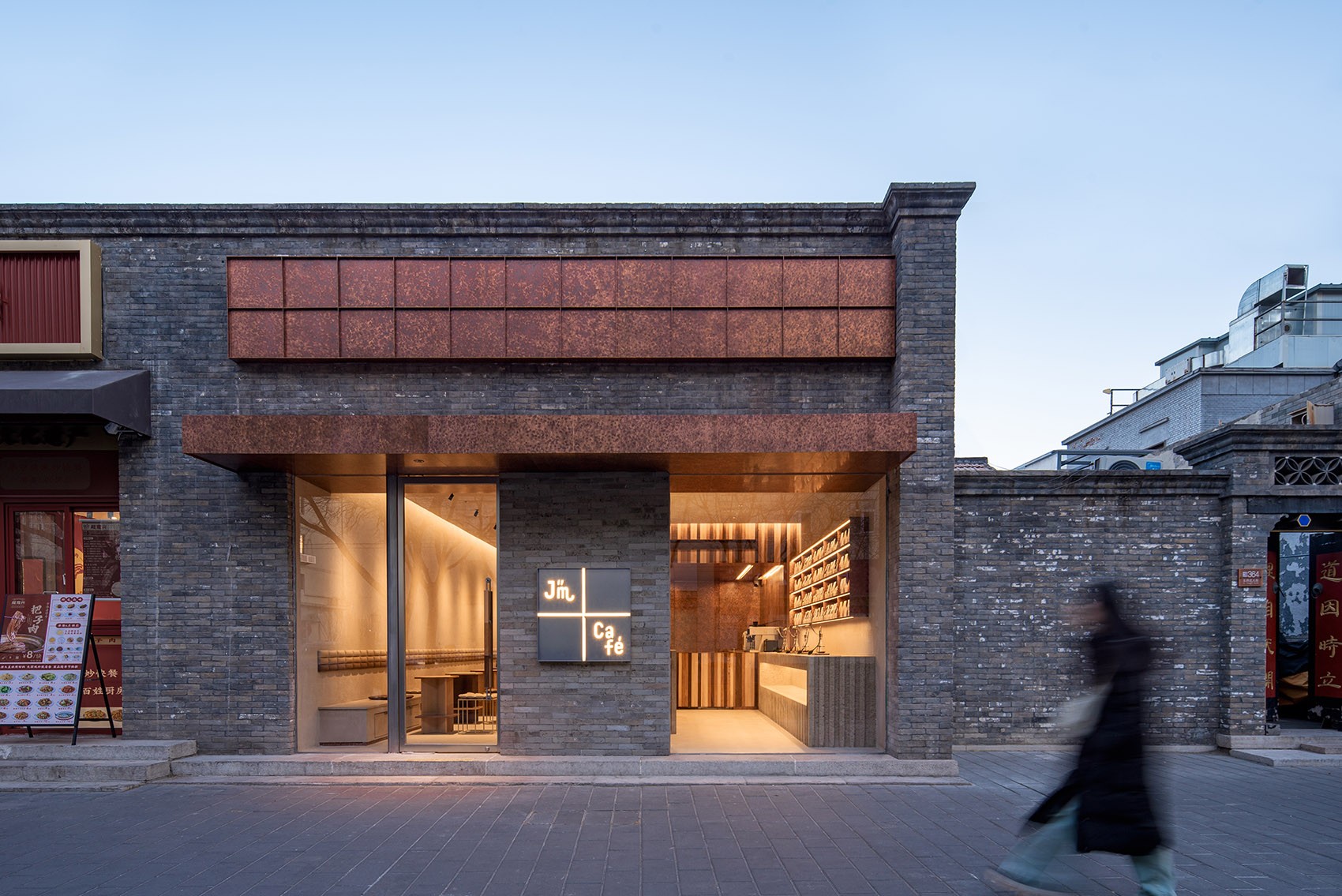
The project is located in the Dongsi area of Beijing’s old downtown, a approximately 60-square-meter café dedicated to hand-poured coffee. The surrounding streets are lined with shops of all sizes, ranging from traditional stores beloved by local residents to innovative shops that reflect youth culture. This area blends the charm of history with the vibrancy of modernity, and its ever-changing streetscape offers a novel and intriguing walking experience.

The site of this project is located in the northern part of Bukhara, Uzbekistan, adjacent to the historically significant transportation and trade hub of the medieval period—the Samarkand Gate. During the Soviet era, this area was an industrial center, home to numerous industrial enterprises and a bus station. In 2010, the Bukhara City Council decided to relocate all industrial enterprises to the outskirts of the city to restore its historical appearance and promote the development of tourism and handicraft industries.

About an hour and a half drive from Shanghai and Suzhou lies a small village called Jijiadun. Once a typical Jiangnan water town, the village saw its population gradually decline over time, leading to increasing hollowing-out. In response, the local township government invited a professional team to redevelop and revitalize the area. To breathe new life into the village, Jijiadun leveraged its original rural scenery and introduced cultural and creative industries, attracting a group of “new villagers” from the city. This effort has transformed the village into an ideal rural living community. Our project, Jiangnan Half House Homestay, is located here. The homestay is situated near the entrance of the village, with its site surrounded on three sides by a small river and facing farmland not far away.