
News

Providing You with First-Hand Information
Article title and introductionArticle title and introductionArticle title and introductionArticle title and introductionArticle title and introductionArticle title and introductionArticle title and introductionArticle title and introductionArticle title and introductionArticle title and introductionArticle title and introductionArticle title and introductionArticle title and introductionArticle title and introductionArticle title and introductionArticle title and introductionArticle title and introductionArticle title and introductionArticle title and introductionArticle title and introductionArticle title and introductionArticle title and introductionArticle title and introductionArticle title and introductionArticle title and introductionArticle title and introductionArticle title and introductionArticle title and introductionArticle title and introductionArticle title and introductionArticle title and introductionArticle title and introductionArticle title and introductionArticle title and introductionArticle title and introductionArticle title and introductionArticle title and introductionArticle title and introductionArticle title and introductionArticle title and introductionArticle title and introductionArticle title and introductionArticle title and introductionArticle title and introductionArticle title and introductionArticle title and introductionArticle title and introductionArticle title and introductionArticle title and introductionArticle title and introductionArticle title and introductionArticle title and introductionArticle title and introductionArticle title and introductionArticle title and introductionArticle title and introductionArticle title and introductionArticle title and introductionArticle title and introductionArticle title and introductionArticle title and introductionArticle title and introductionArticle title and introductionArticle title and introduction
Article title and introductionArticle title and introductionArticle title and introductionArticle title and introductionArticle title and introductionArticle title and introductionArticle title and introductionArticle title and introductionArticle title and introductionArticle title and introductionArticle title and introductionArticle title and introductionArticle title and introductionArticle title and introductionArticle title and introductionArticle title and introductionArticle title and introductionArticle title and introductionArticle title and introductionArticle title and introductionArticle title and introductionArticle title and introductionArticle title and introductionArticle title and introductionArticle title and introductionArticle title and introductionArticle title and introductionArticle title and introductionArticle title and introductionArticle title and introductionArticle title and introductionArticle title and introductionArticle title and introductionArticle title and introductionArticle title and introductionArticle title and introductionArticle title and introductionArticle title and introductionArticle title and introductionArticle title and introductionArticle title and introductionArticle title and introductionArticle title and introductionArticle title and introductionArticle title and introductionArticle title and introductionArticle title and introductionArticle title and introduction
All
Case Studies
Event Coverage
Insights
Product Updates

In commercial space projects, lighting is often seen as a relatively simple element—yet it is frequently underestimated. As projects move forward, many teams begin to encounter recurring lighting-related issues: repeated product selection, high communication costs, frequent on-site adjustments, and even ongoing modifications after the project has been completed.

In reality, the problem is rarely the luminaires themselves. More often, it lies in the absence of a truly well-structured, holistic lighting plan.

Common Challenges During the Lighting Phase

In real-world projects, lighting-related challenges often include:

  • A wide range of luminaires being selected without a clear overall strategy, increasing installation and management complexity

  • Lighting effects that do not align with the functional needs of the space, resulting in poor user experience

  • Difficult maintenance and high replacement costs that impact daily operations

  • A lack of visual and experiential consistency across different areas

At the core of these issues is a common problem:
lighting is often handled as a series of individual choices, rather than planned as a complete system.
Three Key Principles Behind a Stress-Free and Efficient Lighting Project

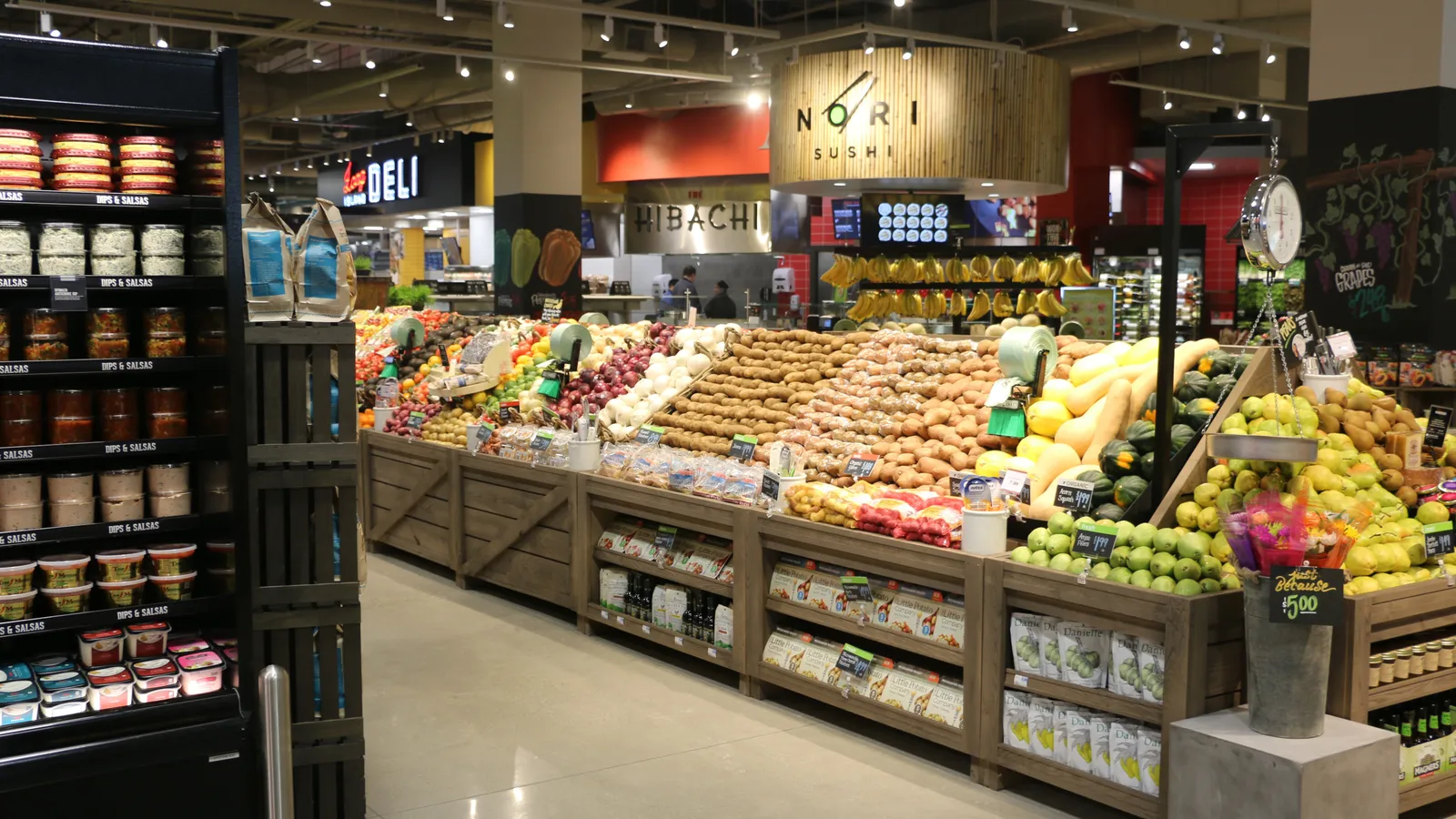
1. Start with the Space, Not the Products

Commercial lighting should always serve the way a space is used. Offices, hotels, and retail environments each have fundamentally different lighting priorities. When functional requirements and usage scenarios are clearly defined, lighting decisions become far more straightforward.

Rather than focusing on complex product combinations, understanding the space itself is the most effective way to reduce repeated adjustments and unnecessary revisions.

2. Replace Isolated Decisions with a Holistic Approach

Lighting solutions that truly simplify project delivery are built on clear system logic:

  • Different areas follow a consistent design and management strategy

  • Lighting design, control methods, and maintenance planning work together seamlessly

  • Communication during installation is clear, minimizing last-minute changes

A holistic approach not only improves overall lighting quality but also significantly reduces coordination effort and execution costs, allowing projects to move forward more smoothly.
3. Plan for Long-Term Use from the Beginning

Lighting in commercial spaces is never a one-time decision. Maintenance, replacement, and upgrades are inevitable over the life of a project.

By considering long-term use at the planning stage—such as product consistency, ease of replacement, and system-wide compatibility—projects can save substantial time and cost in later phases, while maintaining stable performance throughout daily operation.

Why a Holistic Lighting Solution Makes Projects Easier

The value of an integrated lighting solution does not come from complexity, but from early planning and overall coordination.

  • Clear direction established early, reducing rework and repeated revisions

  • Unified planning that ensures consistent spatial experience and brand identity

  • Design, implementation, and maintenance aligned within a single framework to improve efficiency

For project decision-makers, this translates into lower communication costs, more predictable timelines, and more reliable final results.
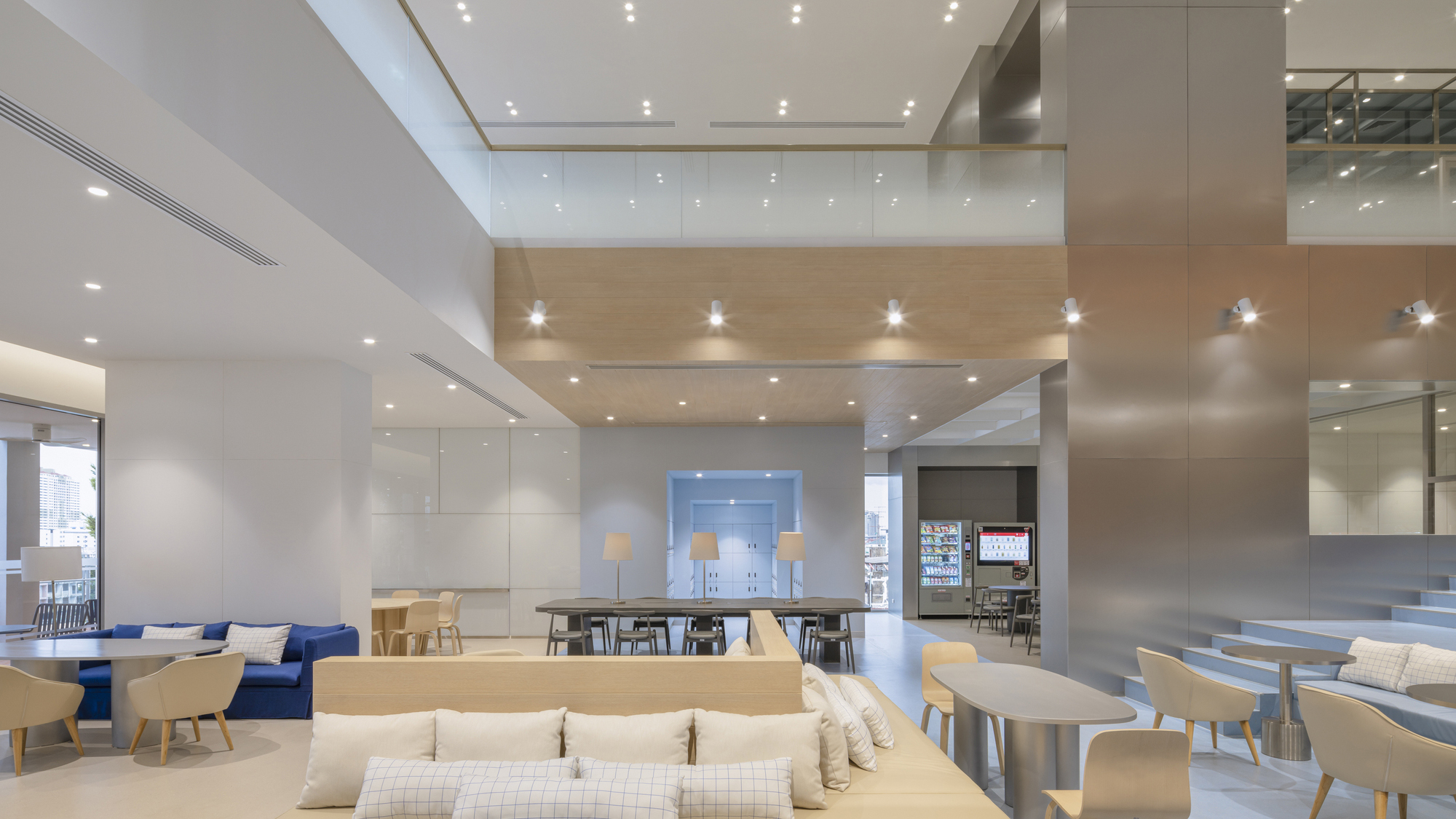
A truly stress-free and efficient commercial lighting solution is not defined by high-end products or overly complex designs. What matters most is whether the solution:

  • Accurately reflects the real needs of the space

  • Is planned as a holistic, integrated system

  • Is prepared for long-term operation and maintenance

When lighting is treated as part of an overall solution—rather than a set of isolated choices—the entire project process becomes more efficient, reliable, and easier to manage.

As a professional lighting solution provider, Annolighting develops system-based lighting strategies grounded in a clear understanding of project requirements, delivering stable and consistent results across commercial space applications.
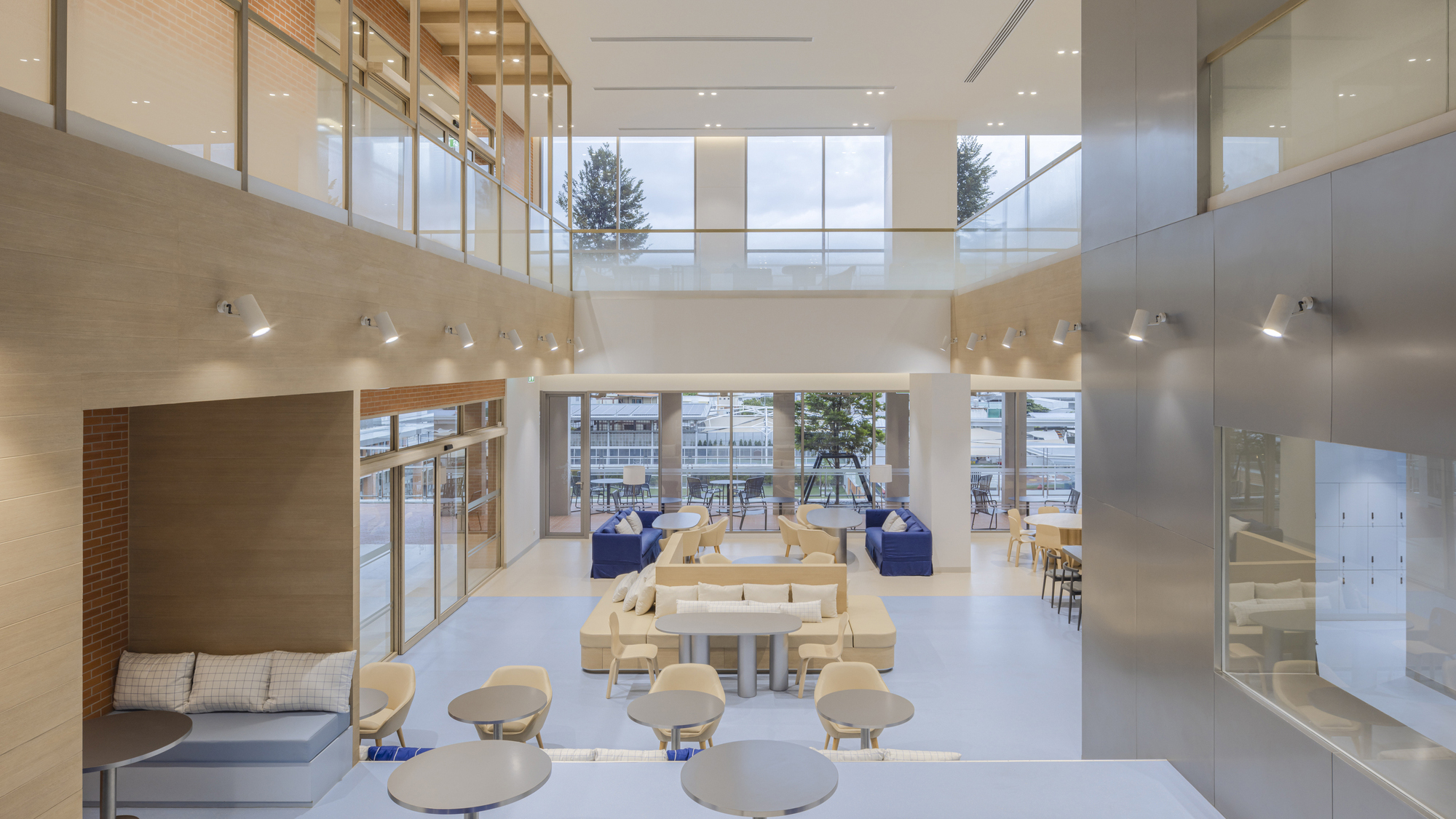
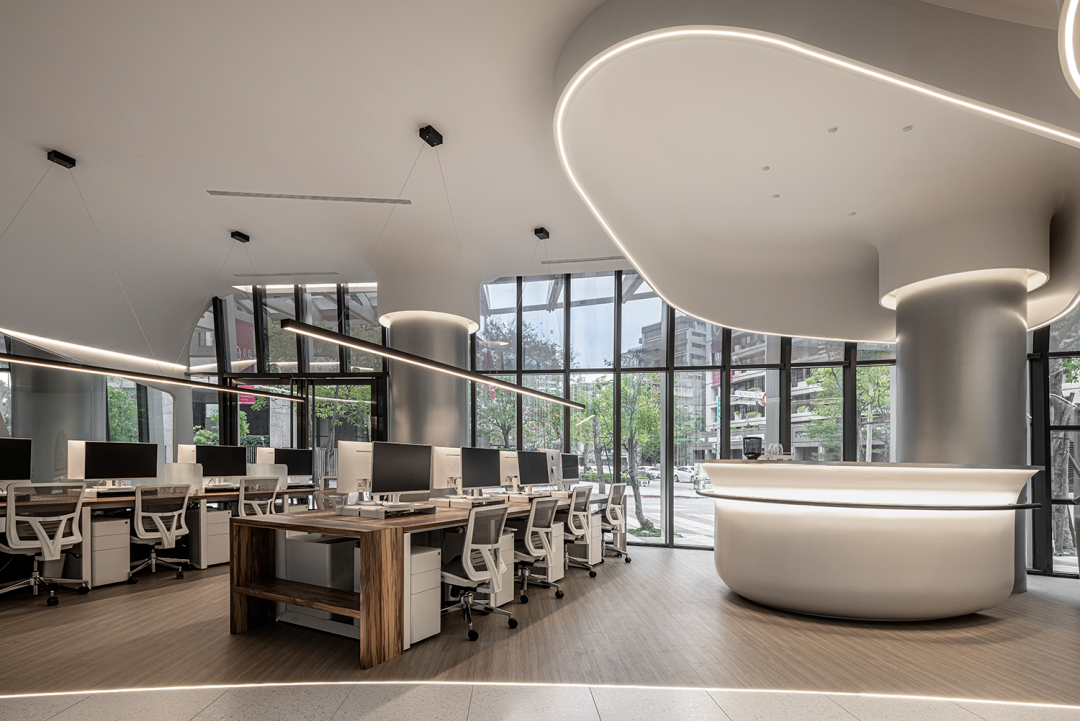
In commercial interior spaces, hotels and offices are both common project types. However, their lighting priorities differ significantly. Applying the same lighting approach to both often leads to unsatisfactory results—ranging from uncomfortable user experience to unnecessary maintenance challenges later on.

Hotel Lighting: Focused on Experience and Atmosphere

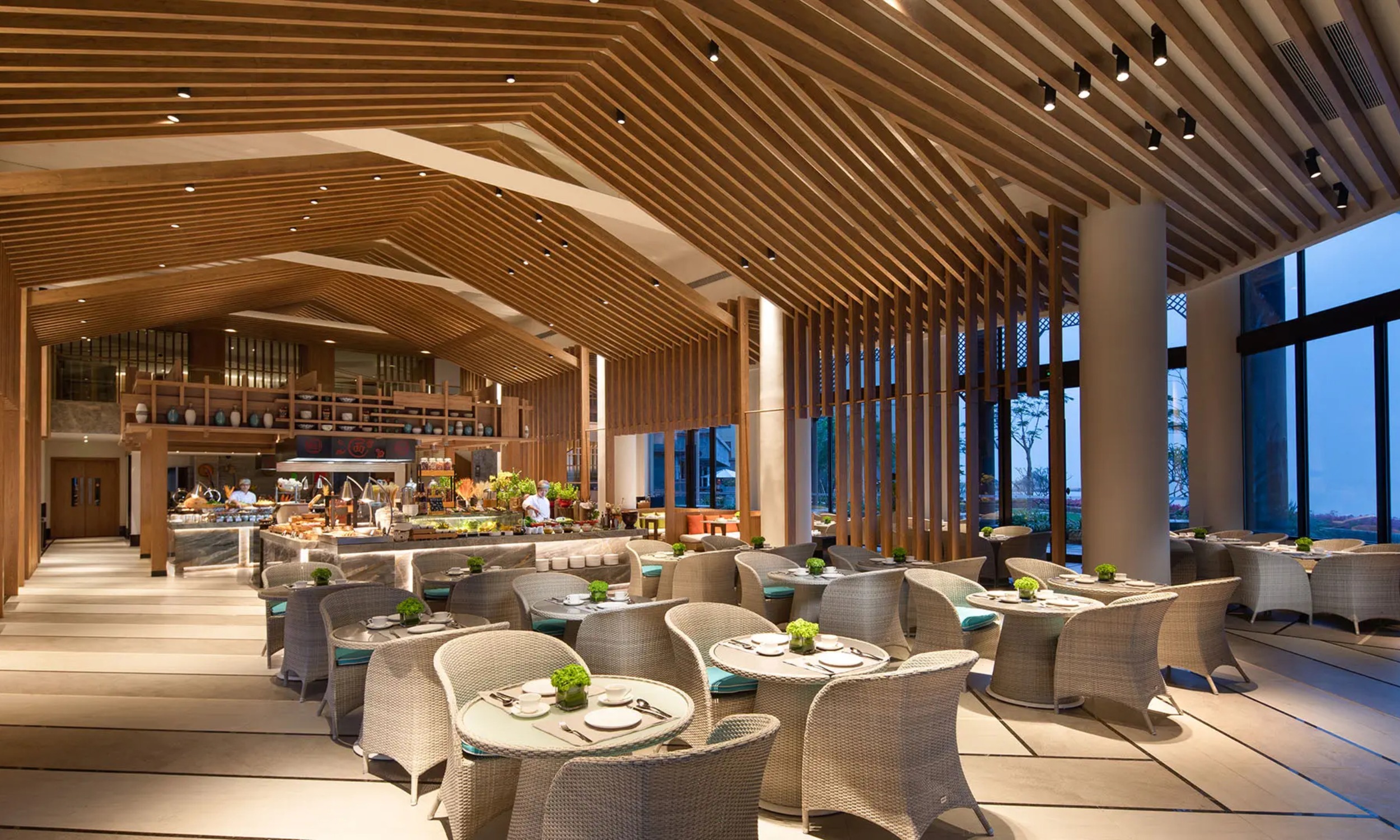
The primary goal of hotel spaces is to create a comfortable, relaxing, and memorable experience for guests. As a result, hotel lighting is less about brightness and more about comfort and atmosphere.

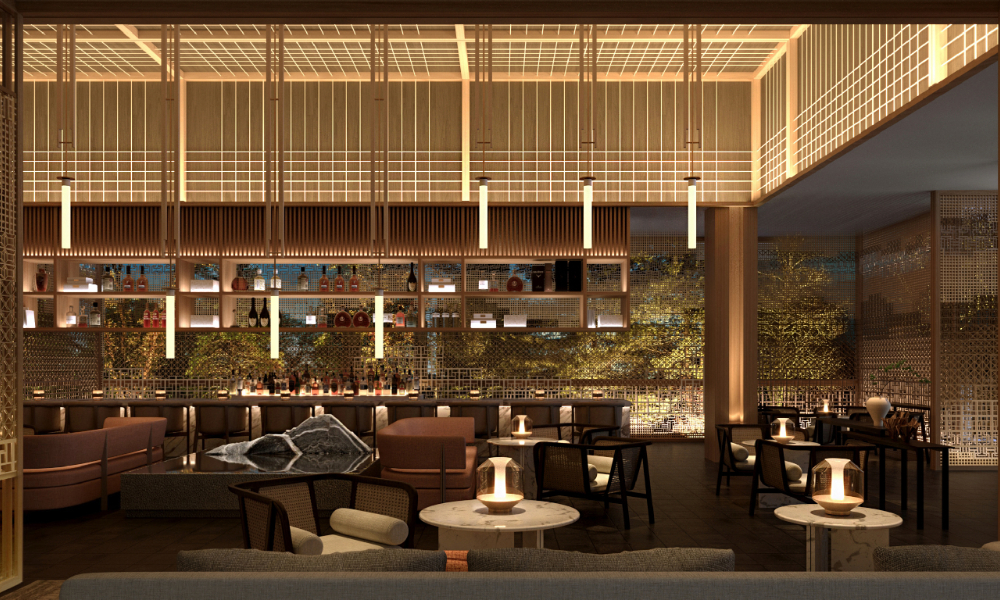
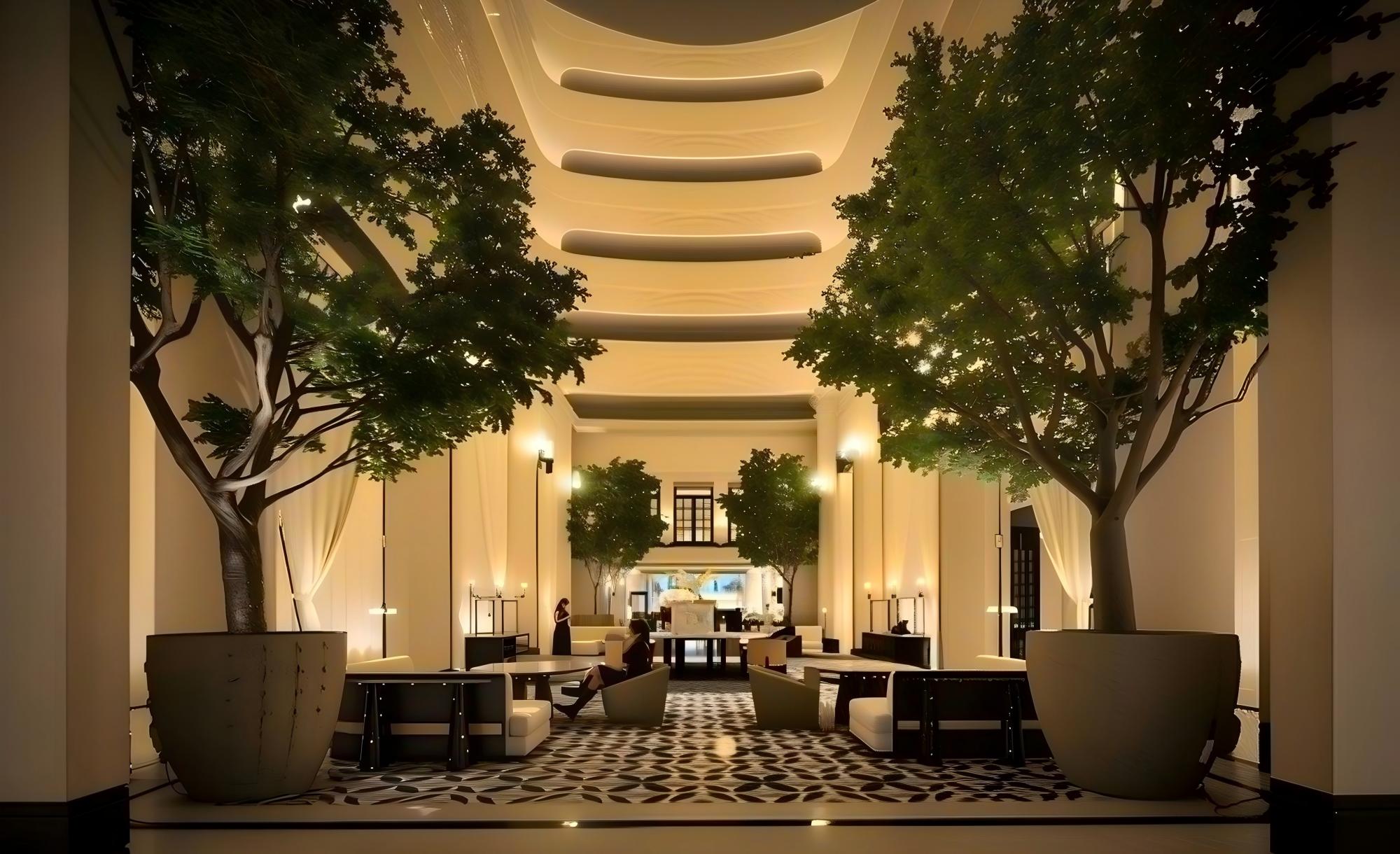
In lobbies, public areas, and guest rooms, lighting is typically layered. General lighting ensures safety and basic visibility, accent lighting highlights reception desks, feature walls, or decorative elements, while ambient lighting helps create a warm and inviting overall mood.

Common luminaire types in hotel projects include recessed downlights, spotlights, pendant lights, and wall lights. These fixtures are not only functional but also contribute to the visual identity of the space. Therefore, greater attention is given to appearance, light softness, and glare control.

Hotels also place strong emphasis on overall consistency. From public areas to guest rooms, lighting styles need to remain coherent to support a stable and professional brand image. This makes early-stage, holistic lighting planning especially important.

Office Lighting: Focused on Efficiency and Practicality

Unlike hotels, offices are designed for long-term daily use. The primary role of office lighting is to support work activities, improve efficiency, and reduce visual fatigue.

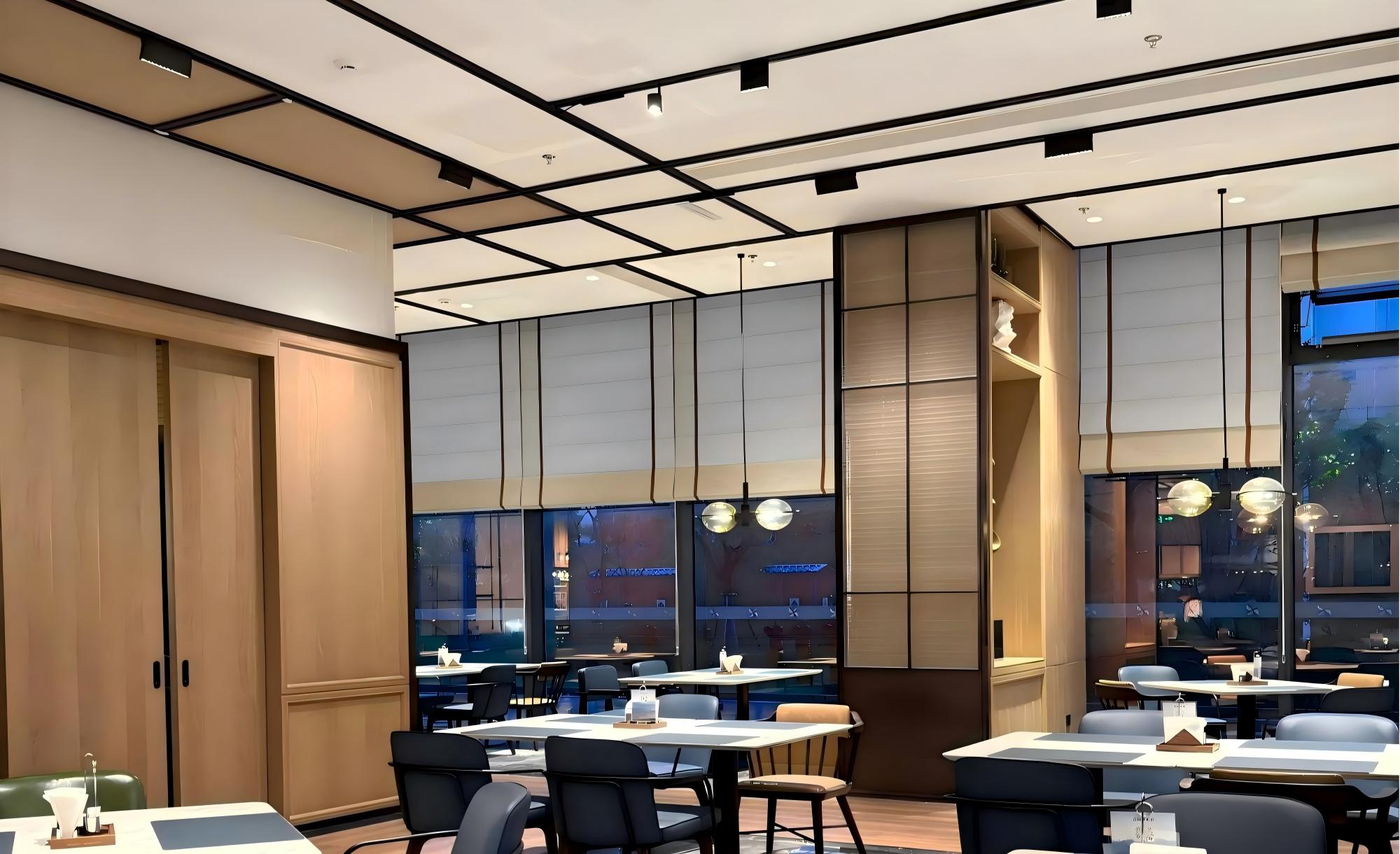
Office lighting prioritizes uniformity, stability, and visual comfort. Workstations, meeting rooms, and circulation areas all require clear and consistent illumination, while excessive contrast and glare must be carefully controlled.

Typical luminaires used in office environments include linear grid lights, LED panel lights, downlights, and track lighting. These fixtures feature clean, simple designs and emphasize even light distribution, energy efficiency, long service life, and ease of maintenance.

Office spaces are usually divided into functional zones such as work areas, meeting rooms, and breakout spaces. Lighting solutions need to be flexible enough to support different activities, without adding unnecessary complexity to management and operation.

The Key Difference Starts with How the Space Is Used

The fundamental difference between hotel and office lighting lies in how these spaces are used. Hotel guests typically stay for short periods and seek relaxation and experience, while office users spend long hours working and rely on a stable, comfortable lighting environment.

This difference also affects maintenance strategies. Hotels tend to prioritize long-term visual consistency, with relatively fixed replacement cycles. Offices, on the other hand, place greater emphasis on ease of maintenance, allowing for quick replacement and adjustment as needs change.

Although hotels and offices are both commercial interior spaces, their lighting priorities are clearly different. Hotel lighting focuses on atmosphere, experience, and brand image, while office lighting centers on functionality, efficiency, and practicality.

In real-world projects, effective lighting solutions begin with a clear understanding of how the space is used. When appropriate luminaires are combined with holistic lighting planning, the result is a solution that performs well over time and remains comfortable and reliable.

Annolighting provides integrated services from design and manufacturing through to project execution, delivering holistic lighting solutions tailored to different commercial interior scenarios—helping projects remain efficient, consistent, and easy to manage.

Article title and introductionArticle title and introductionArticle title and introductionArticle title and introductionArticle title and introductionArticle title and introductionArticle title and introductionArticle title and introductionArticle title and introductionArticle title and introductionArticle title and introductionArticle title and introductionArticle title and introductionArticle title and introductionArticle title and introductionArticle title and introduction

Article title and introductionArticle title and introductionArticle title and introductionArticle title and introductionArticle title and introductionArticle title and introductionArticle title and introductionArticle title and introductionArticle title and introductionArticle title and introductionArticle title and introductionArticle title and introductionArticle title and introductionArticle title and introductionArticle title and introductionArticle title and introduction

Article title and introductionArticle title and introductionArticle title and introductionArticle title and introductionArticle title and introductionArticle title and introductionArticle title and introductionArticle title and introductionArticle title and introductionArticle title and introductionArticle title and introductionArticle title and introductionArticle title and introductionArticle title and introductionArticle title and introductionArticle title and introduction

Article title and introductionArticle title and introductionArticle title and introductionArticle title and introductionArticle title and introductionArticle title and introductionArticle title and introductionArticle title and introductionArticle title and introductionArticle title and introductionArticle title and introductionArticle title and introductionArticle title and introductionArticle title and introductionArticle title and introductionArticle title and introduction

1 2