
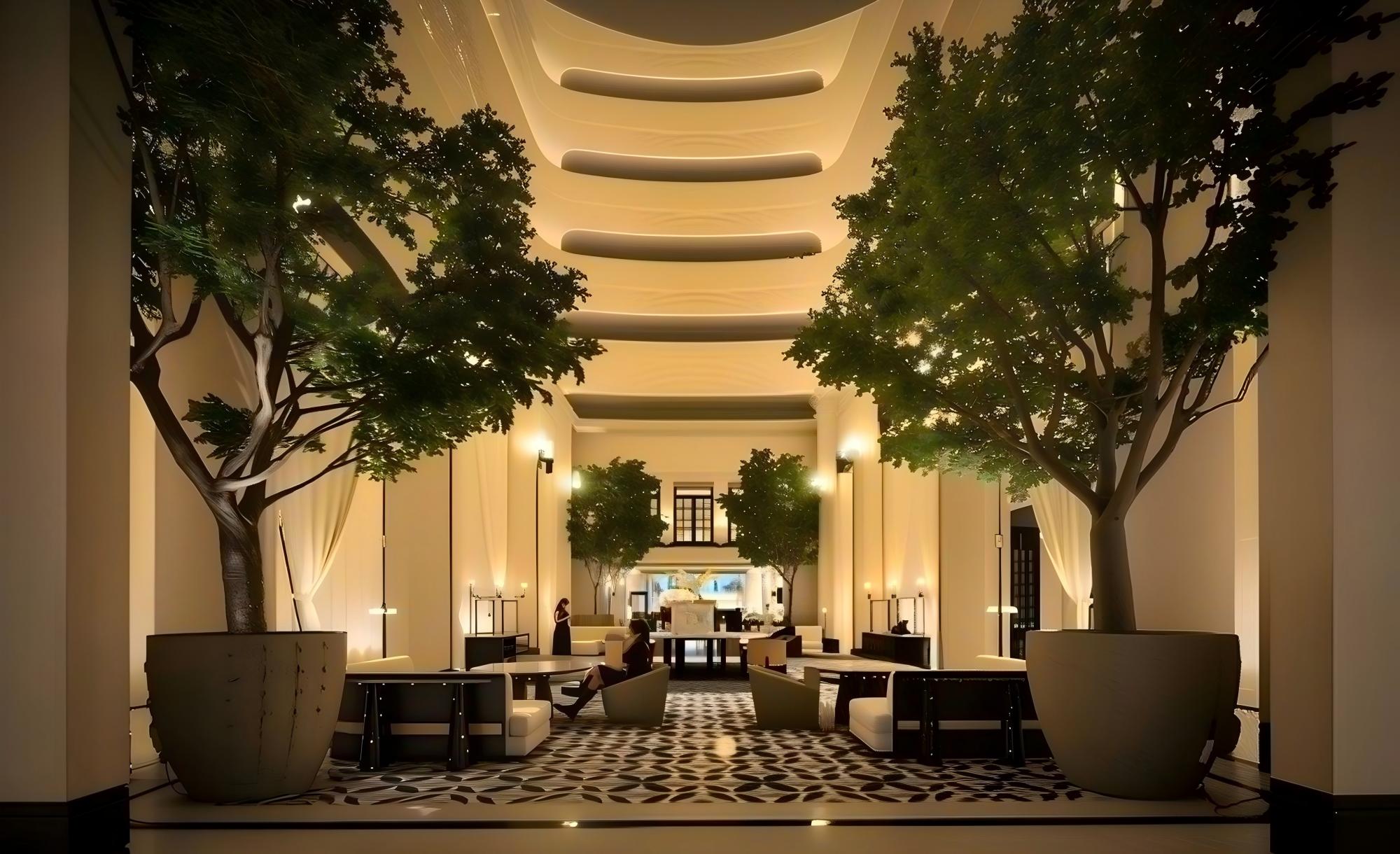
In commercial interior spaces, hotels and offices are both common project types. However, their lighting priorities differ significantly. Applying the same lighting approach to both often leads to unsatisfactory results—ranging from uncomfortable user experience to unnecessary maintenance challenges later on.
Hotel Lighting: Focused on Experience and Atmosphere
The primary goal of hotel spaces is to create a comfortable, relaxing, and memorable experience for guests. As a result, hotel lighting is less about brightness and more about comfort and atmosphere.
In lobbies, public areas, and guest rooms, lighting is typically layered. General lighting ensures safety and basic visibility, accent lighting highlights reception desks, feature walls, or decorative elements, while ambient lighting helps create a warm and inviting overall mood.
Common luminaire types in hotel projects include recessed downlights, spotlights, pendant lights, and wall lights. These fixtures are not only functional but also contribute to the visual identity of the space. Therefore, greater attention is given to appearance, light softness, and glare control.
Hotels also place strong emphasis on overall consistency. From public areas to guest rooms, lighting styles need to remain coherent to support a stable and professional brand image. This makes early-stage, holistic lighting planning especially important.
Office Lighting: Focused on Efficiency and Practicality
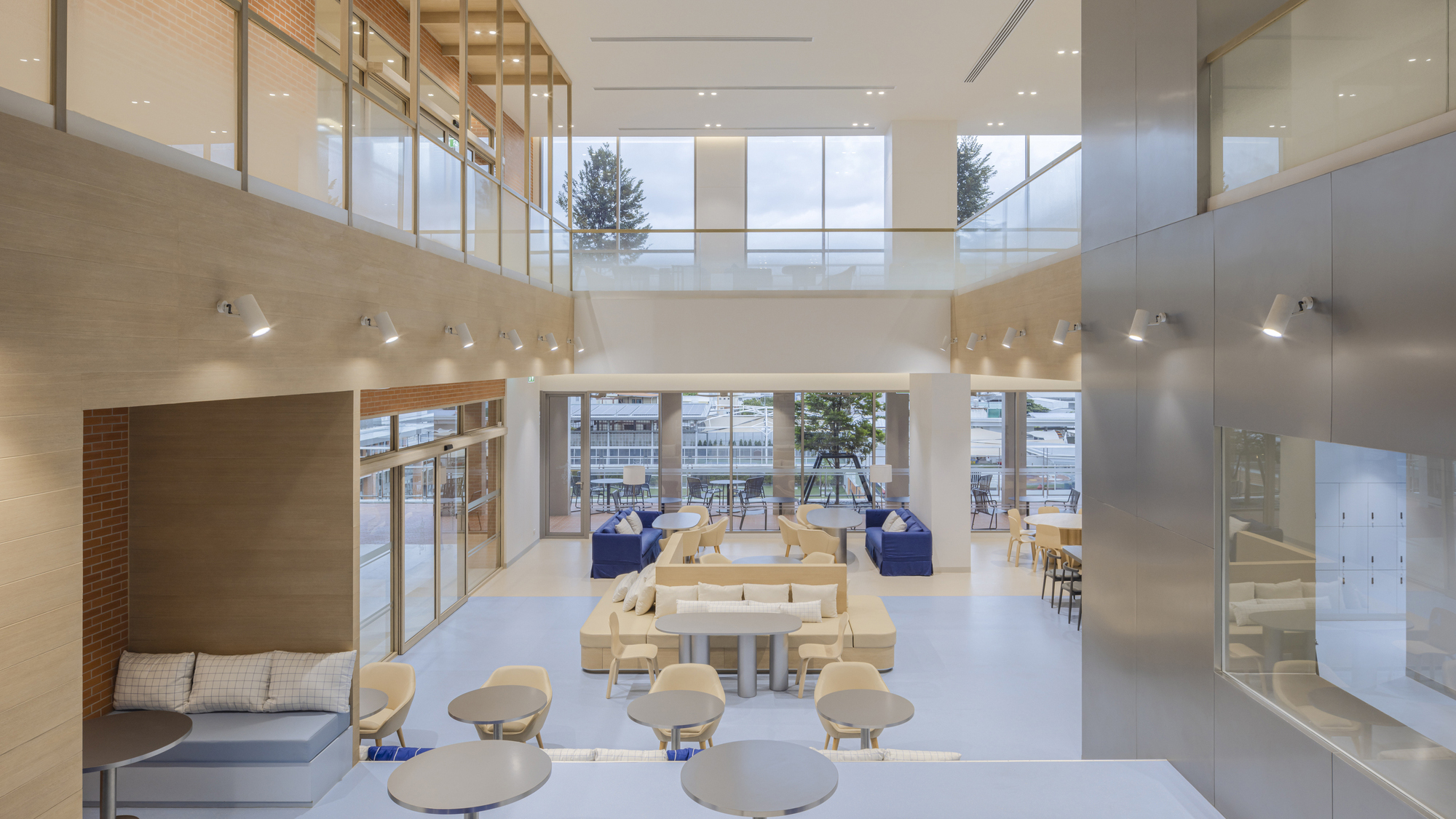
Unlike hotels, offices are designed for long-term daily use. The primary role of office lighting is to support work activities, improve efficiency, and reduce visual fatigue.
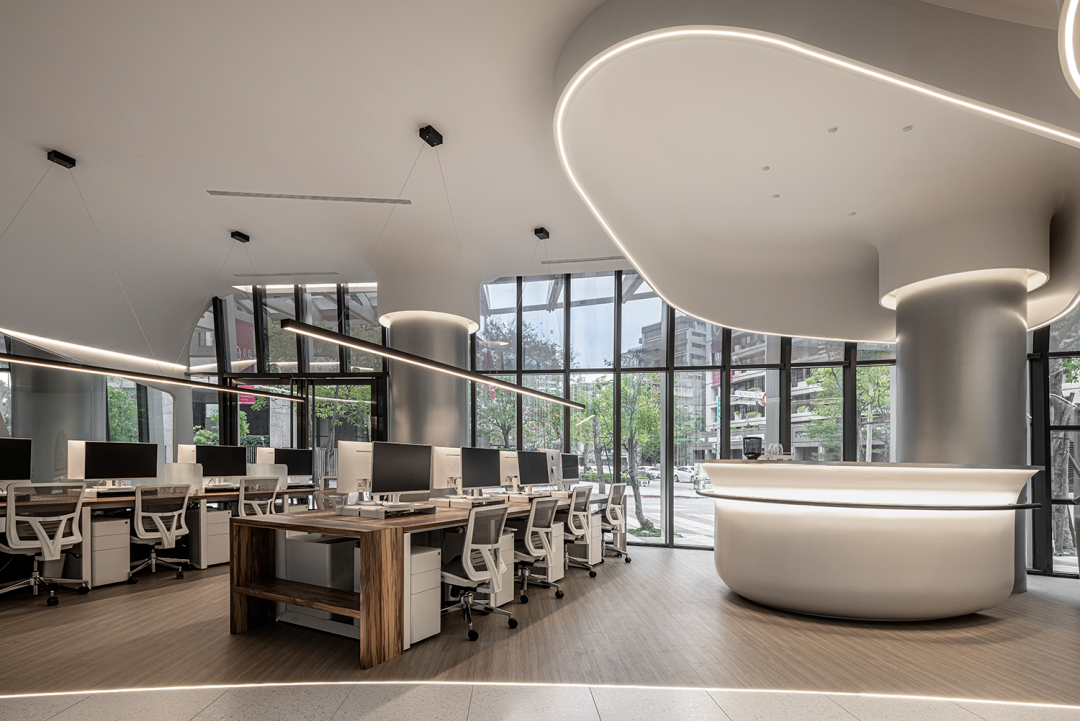
Office lighting prioritizes uniformity, stability, and visual comfort. Workstations, meeting rooms, and circulation areas all require clear and consistent illumination, while excessive contrast and glare must be carefully controlled.
Typical luminaires used in office environments include linear grid lights, LED panel lights, downlights, and track lighting. These fixtures feature clean, simple designs and emphasize even light distribution, energy efficiency, long service life, and ease of maintenance.
Office spaces are usually divided into functional zones such as work areas, meeting rooms, and breakout spaces. Lighting solutions need to be flexible enough to support different activities, without adding unnecessary complexity to management and operation.
The Key Difference Starts with How the Space Is Used
The fundamental difference between hotel and office lighting lies in how these spaces are used. Hotel guests typically stay for short periods and seek relaxation and experience, while office users spend long hours working and rely on a stable, comfortable lighting environment.
This difference also affects maintenance strategies. Hotels tend to prioritize long-term visual consistency, with relatively fixed replacement cycles. Offices, on the other hand, place greater emphasis on ease of maintenance, allowing for quick replacement and adjustment as needs change.
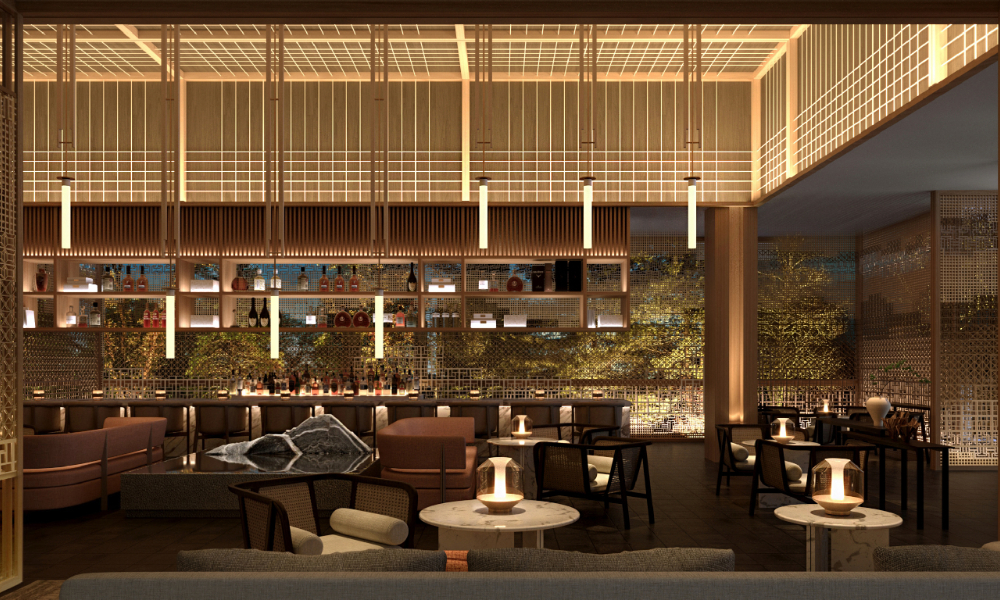
Although hotels and offices are both commercial interior spaces, their lighting priorities are clearly different. Hotel lighting focuses on atmosphere, experience, and brand image, while office lighting centers on functionality, efficiency, and practicality.
In real-world projects, effective lighting solutions begin with a clear understanding of how the space is used. When appropriate luminaires are combined with holistic lighting planning, the result is a solution that performs well over time and remains comfortable and reliable.
Annolighting provides integrated services from design and manufacturing through to project execution, delivering holistic lighting solutions tailored to different commercial interior scenarios—helping projects remain efficient, consistent, and easy to manage.